Our Mission
The Arab University of Sciences (UAS) is committed to actively contributing to the building of a true knowledge-based society, where initiative and innovation take center stage. Through its academic programs and research activities, it strives to promote quality, develop skills, and train generations capable of meeting the economic, technological, and social challenges of tomorrow.
Our Values
- Compliance with laws and regulations: ensuring a consistent and disciplined academic environment.
- Equality, transparency, and diversity: promoting equal opportunities, clarity in our actions, and the inclusion of all cultures.
- Respect and consideration for students: placing learners at the center of our priorities, listening and supporting them.
- Constructive collaboration: establishing effective and lasting partnerships with our internal and external actors.
- Social responsibility and sustainable development: actively contributing to social, economic, and environmental progress.
Our Vision
The Arab University of Science (UAS) is committed to training tomorrow’s leaders by emphasizing academic excellence, innovation, and a broad perspective. As a leading university, it places knowledge and society at the heart of its mission, offering modern training programs tailored to the needs of the professional world. Convinced that quality education is the true driver of sustainable development, the UAS contributes to building an open, competent, and innovative knowledge society that is ready to meet the challenges of the future.
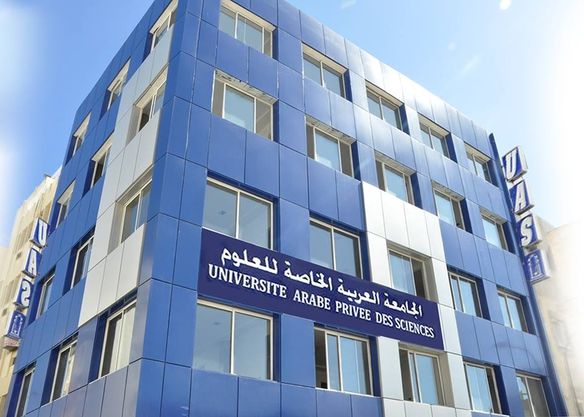
Why choose the Arab University of Science?
Choosing the Arab University of Science (UAS) means choosing a higher education institution that combines academic excellence, innovation, and a global perspective. Since its creation, UAS has established itself as a leading actor in training the executives and professionals of the future.
U.A.S: a multidisciplinary university
The Arab University of Science has put its entrepreneurial spirit at the service of its primary mission, namely the promotion of knowledge, expertise and communication, through a wide range of academic programmes comprising four preparatory cycles, 13 engineering certificates, 11 bachelor’s degrees and seven professional master’s degrees in various specialities. All engineering degrees awarded by the UAS are recognised by the Tunisian government (accredited by the Ministry of Higher Education and Scientific Research) and by professional bodies, notably the Tunisian Order of Engineers. This recognition is further reinforced by accreditation from the Commission des Titres d’Ingénieurs (CTI) in France and registration with the European Accreditation Network for Engineering Education (EANEE). The UAS is divided into two institutions. One specialises in social sciences (Faculty of Economics, Law and Management) and the other is dedicated to technological and engineering studies. The first comprises the departments of law, journalism, management and political science, while the second (the Polytechnic School of Engineering and Technological Studies: ESPIET-UAS) specialises in training engineers in industrial engineering, electrical engineering, computer engineering, electromechanical engineering, industrial engineering and mechatronics engineering, in addition to technological bachelor’s degrees (ICT, MI, EEA, etc.), professional master’s degrees (Embedded Systems, Data Science, Electrical Control Systems, etc.) and two-year preparatory courses (MP, PC, T, BG) for students applying to national and international competitive entrance examinations for engineering schools.
UAS: Innovative programmes…
Teaching at UAS is based on an efficient methodology that integrates theoretical and practical knowledge. To support this approach, the University’s departments are equipped with laboratories and numerous workshops, reinforced by a Career and Skills Certification Centre (4C) that enables students to familiarise themselves with the professional world. Students’ academic results are rigorously and regularly monitored and assessed through a system of continuous assessment and final examinations.
The UAS offers its students a stimulating and innovative teaching and learning environment, supported by recreational activities (clubs, events, sports hall). It does not limit itself to training its students, but also introduces them to the specifics of the job market by opening windows onto the professional world so that they can familiarise themselves with the latest technologies and developments in their fields of specialisation. It is within this framework that the University has created an internship department, which has enabled the UAS to establish partnerships with major national and international companies. The Arab University of Science also has facilities that simulate the professional world in various fields of study, such as journalism (an audiovisual centre that broadcasts an internal radio station, UAS Radio) and law (a courtroom for simulating pleadings in certain civil and criminal cases). To secure the educational process and ensure the normal continuation of courses, the University has also adopted a distance learning system, as was the case during the Covid-19 health crisis, by creating a virtual teaching platform connecting students, teachers and the administration.
UAS encourages scientific research
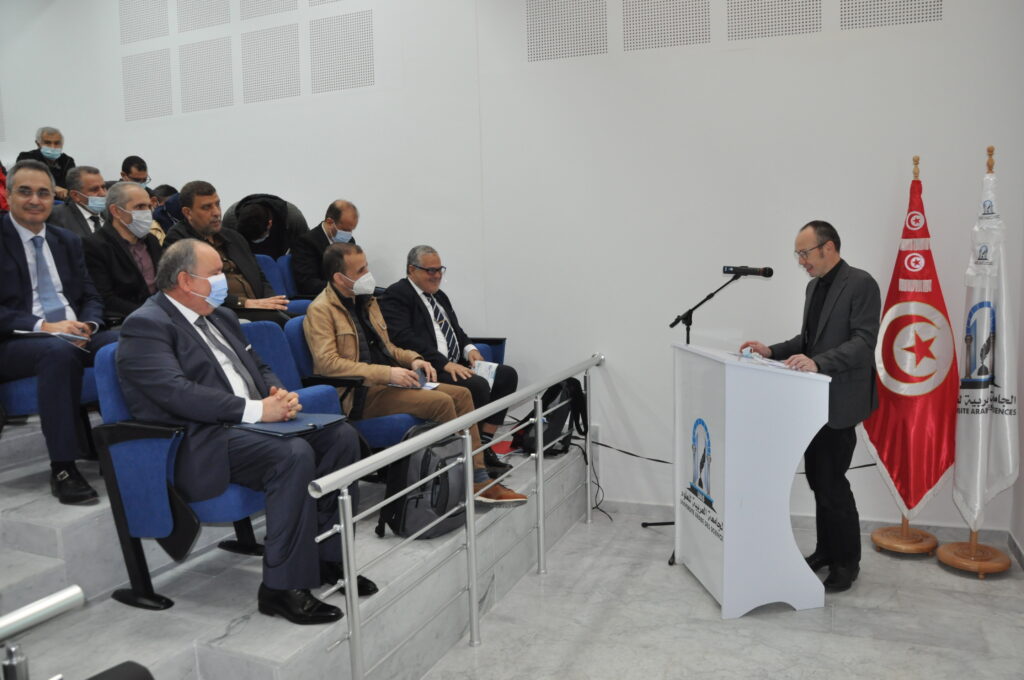
The UAS attaches great importance to the effectiveness of its teaching framework. The creation of the “Scientific Research” department within the University is part of this framework and aims to strengthen the dynamism and vitality of teachers’ research by providing them with supervision and encouragement services for the publication of their scientific research work.
In order to promote a culture of research among its students, the UAS has equipped its four buildings with all the necessary facilities, including high-speed, high-quality fibre optic internet service and spaces suitable for research work, consisting of specialised digital libraries (media libraries). It has also provided them with free subscriptions to access the main scientific platforms and publications and training courses available for scientific research, such as the National University Centre for Scientific and Technical Documentation (CNUDST).
UAS promotes and encourages excellence
The UAS encourages its students to excel, both in their studies and in the activities offered to them. Prizes are awarded for the “Best Final Projects” and the “Best Club”. New students who have obtained an average of over 14 out of 20 in their Baccalaureate exams also receive a scholarship in the form of a partial exemption from registration and tuition fees, which will be renewed in the event of continued excellence. Thanks to the many international cooperation links established by the UAS, students also have the opportunity to further their studies at the most prestigious European universities, such as the Sorbonne, ULCO in Dunkirk, Perpignan and Rennes. Engineering schools welcome UAS graduates, and students prepare final year projects (PFE) that are oriented towards foreign universities as part of international mobility.
UAS: An international dimension
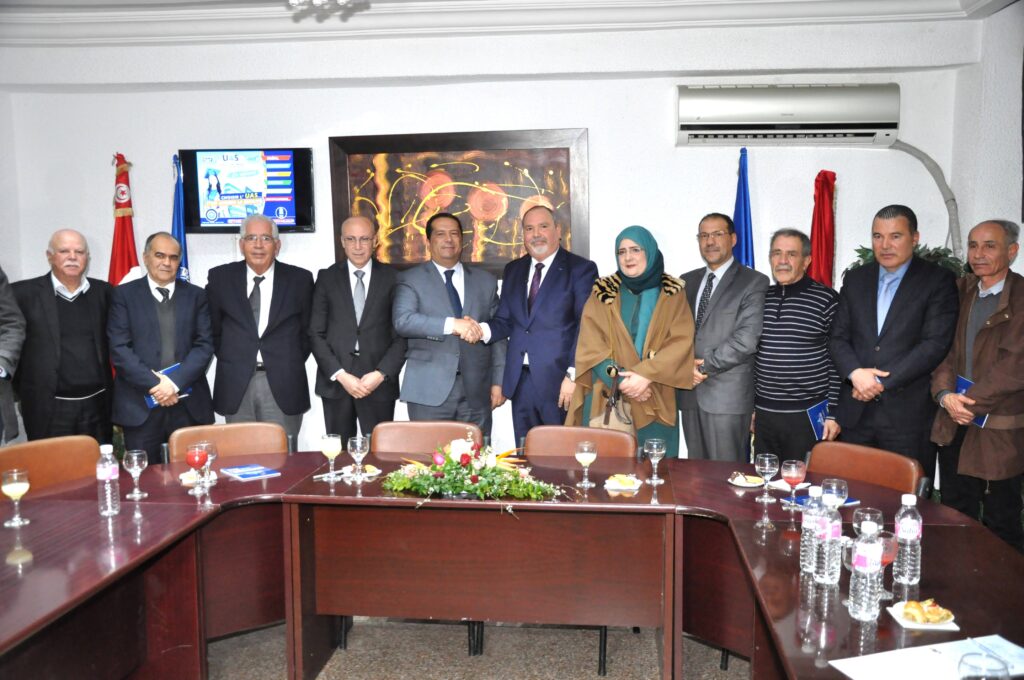
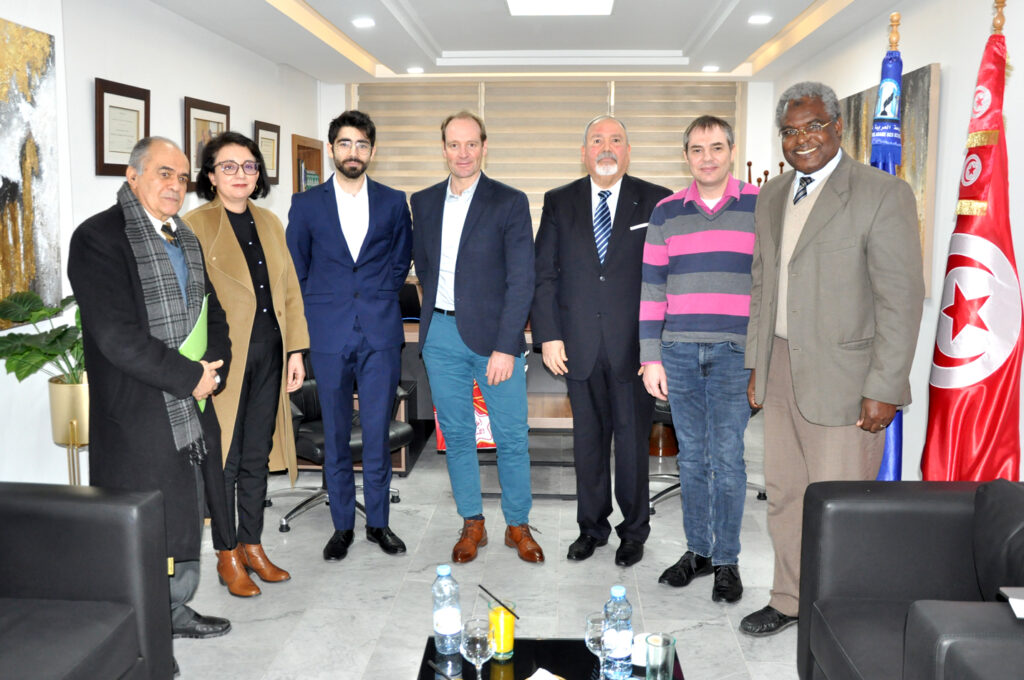
Through its educational policy, the UAS is committed to developing higher education in the Arab and African regions by establishing partnerships and building bridges of academic cooperation with prestigious international universities to offer its students the opportunity to pursue higher education. It also facilitates their participation in entrance examinations for French engineering schools. To this end, UAS is committed to international cooperation in the exchange of experiences in the field of higher education and scientific research with various universities and research laboratories through academic and student exchanges. It also contributes to efforts to promote sustainable development, community work and educational monitoring.
Our school

A Mission to Serve Youth
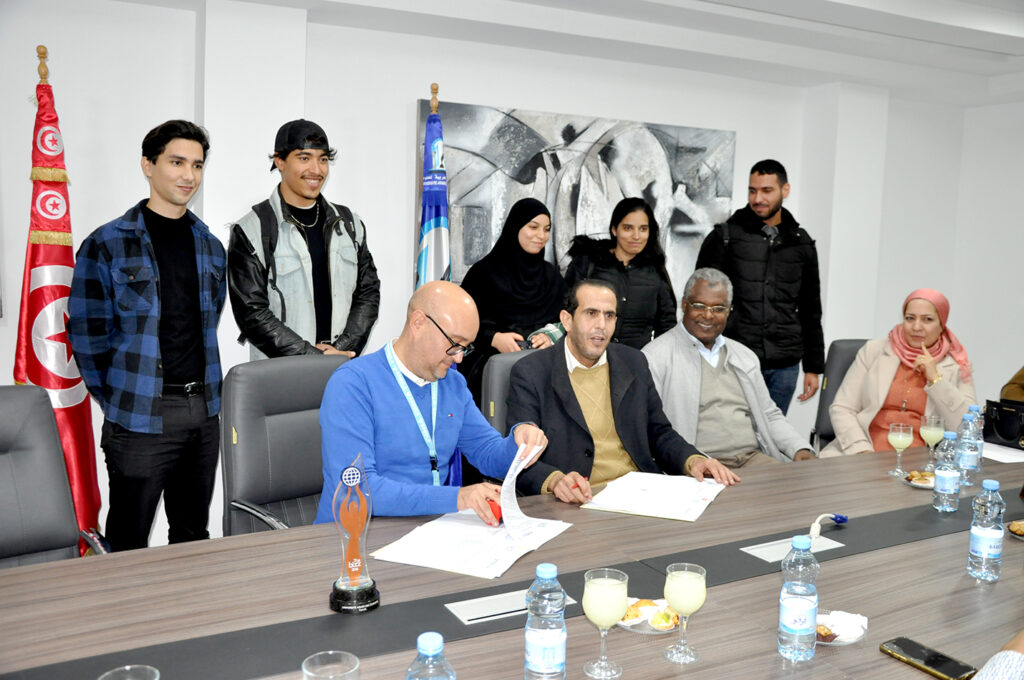
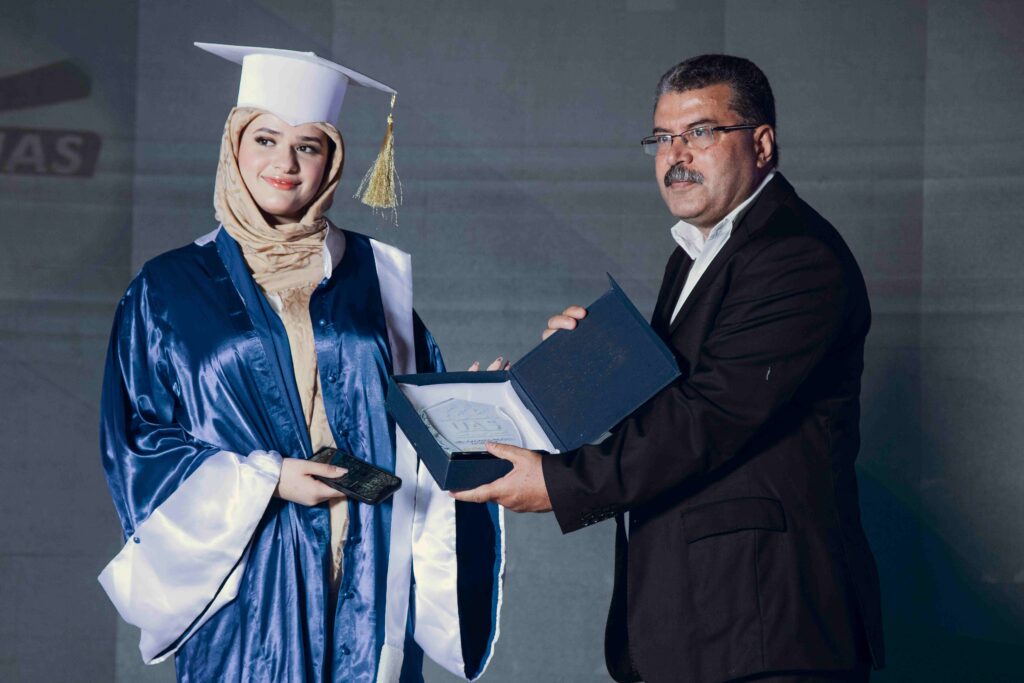
The Arab University of Sciences (UAS) places youth at the heart of its mission. It is committed to providing students with a stimulating academic environment, high-quality training programs, and personalized support to fully develop their skills, creativity, and sense of responsibility. Through this commitment, UAS strives to educate young people who are able to meet the challenges of today’s world, innovate, and actively contribute to the progress of society.